
Saprophytism & Symbiosis Shift
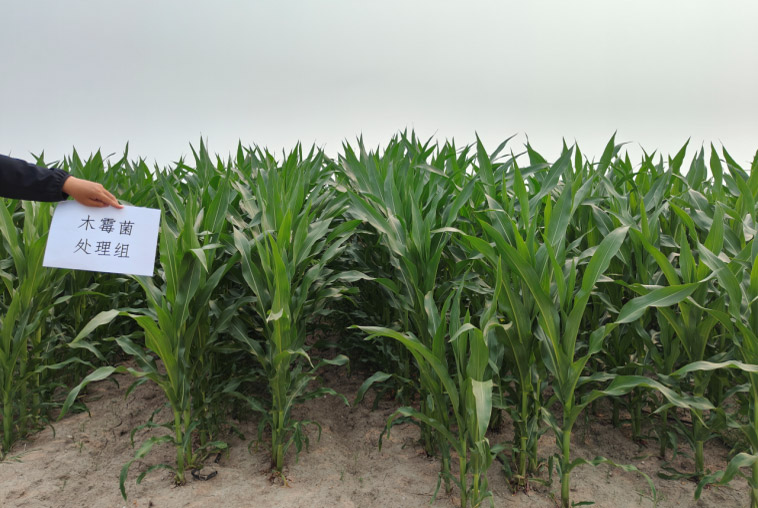
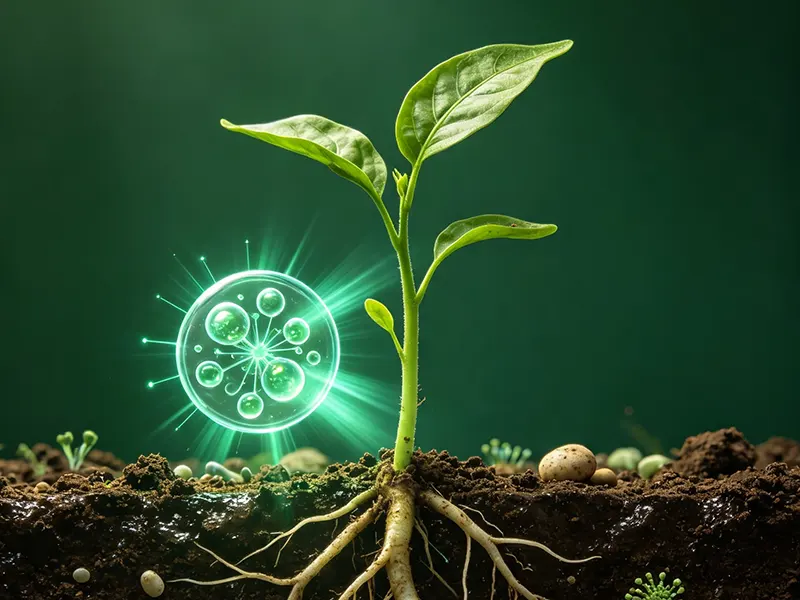
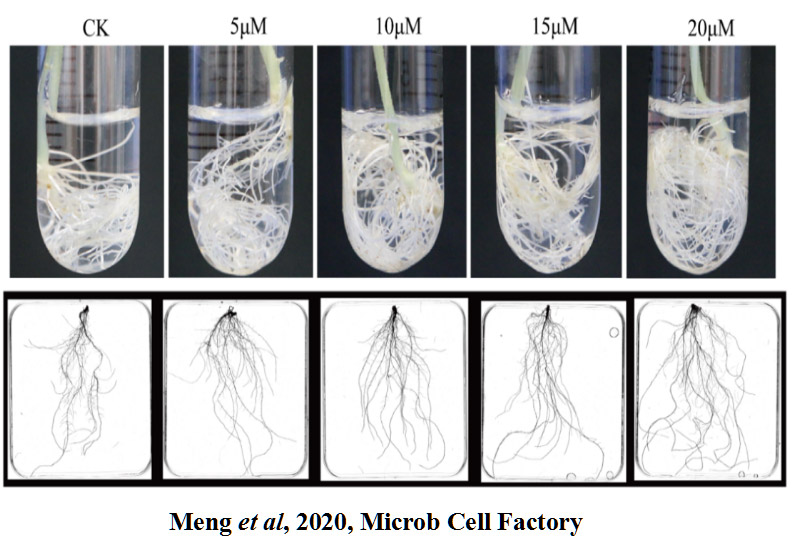
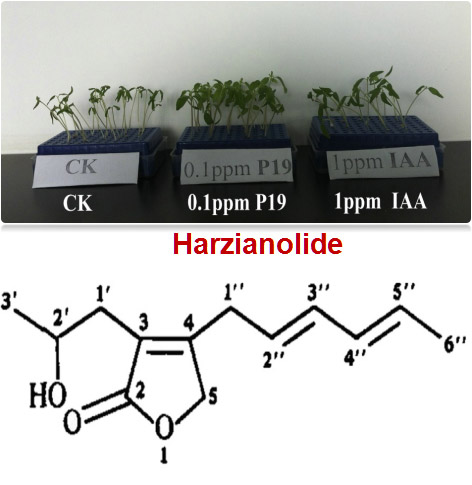
To promote plant growth by excreting biostimulant, such as IAA, 2AA, GA, swollernins and Harzianic acid
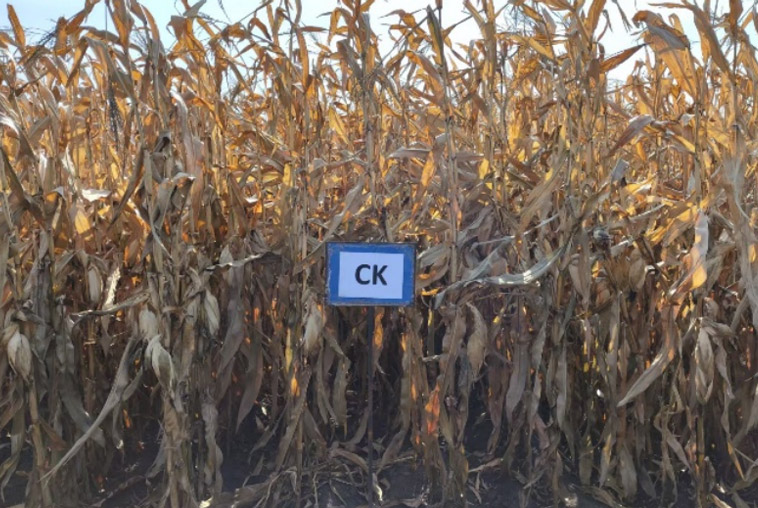
To hydrolyze crop straw by excreting hydrolysis enzymes, such as cellulase, hemicellulase, ligninase
How does Trichoderma make the shuttle shift between symbiosis and saprophytism?
Besides, the shift is also possibly related to the response by Trichoderma to pectin rich in alive plants.
Pectin inhibited the straw-degrading ability of Trichoderma
The cell wall of living plants is rich in pectin, which inhibits the saprophytic (straw degradation) function of Trichoderma and promotes its transition to symbiotic function.
Pectin induced and activated growth-promoting (symbiotic) function of Trichoderma
Pectin significantly induces and activates the symbiotic growth promoting function of Trichoderma by secreting auxin and key metabolites.
Comparison VS treatment **
Comparison VS treatment ***
Comparison VS treatment **
Comparison VS treatment **
Living plant cell walls contained abundant pectin, while straw contained very little pectin
| Organization Type | Alive leaves | Died leaves | Alive roots | Died roots | Crop straws |
|---|---|---|---|---|---|
| Pectin content (μmol/g) | ~205 | ~140 | ~45 | ~5 | ~1 |
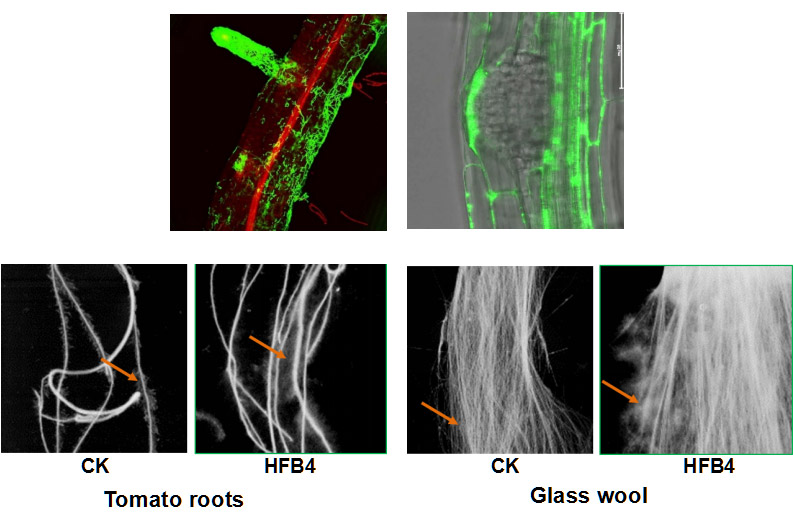
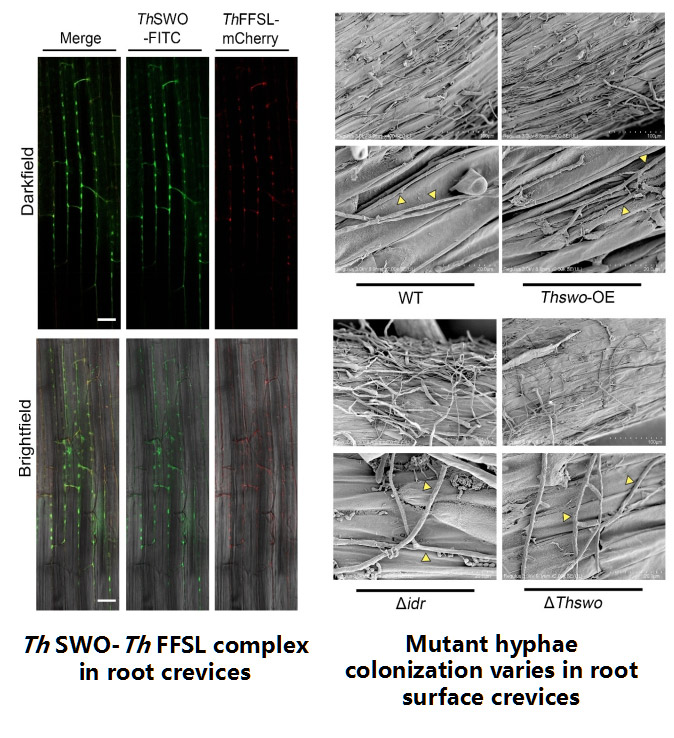
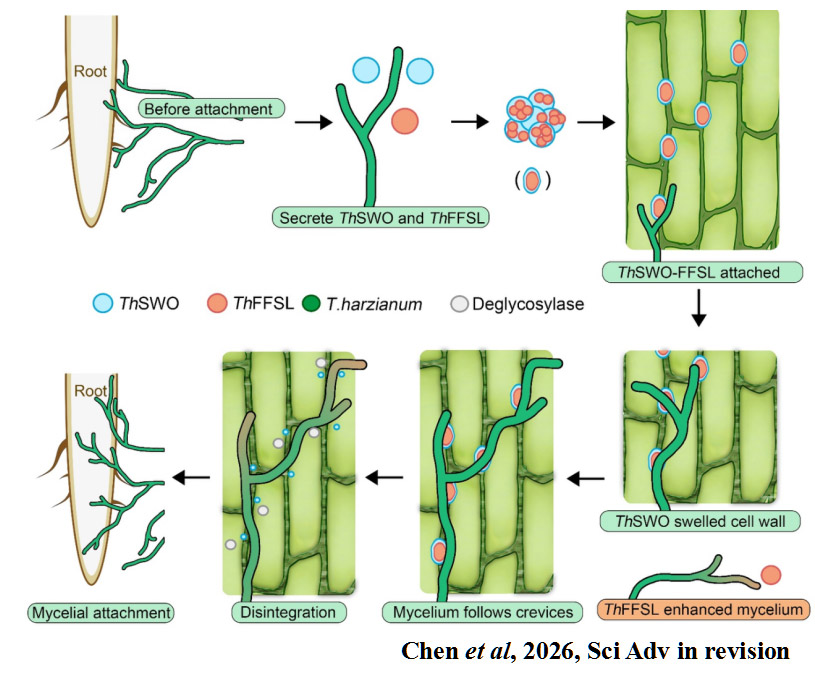
T could excrete a large amount of surface active small proteins, such as Cerato-platanin, Hydrophobin, Hydrophilic, to improve hyphosphere environments for its colonization
Biomass of roots, especially lateral roots, was dramatically increased by T
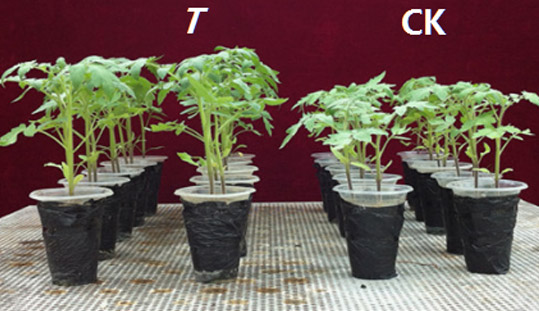
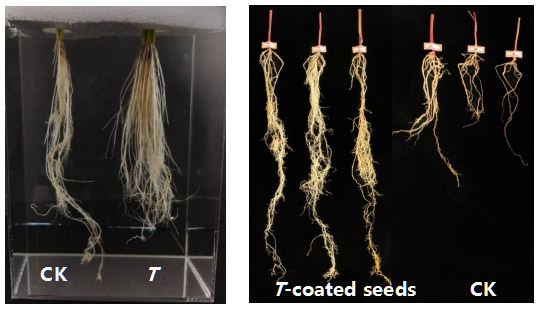
| Rice root growth | Maize root growth |
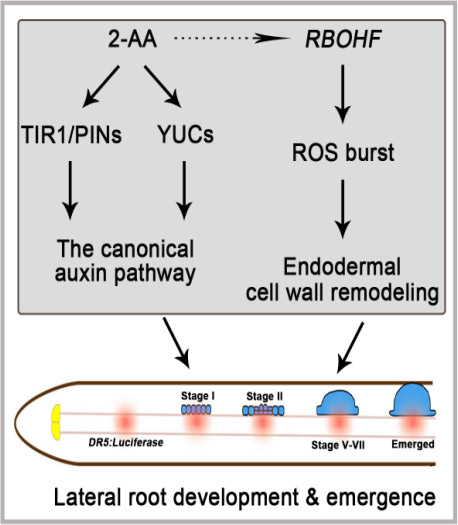
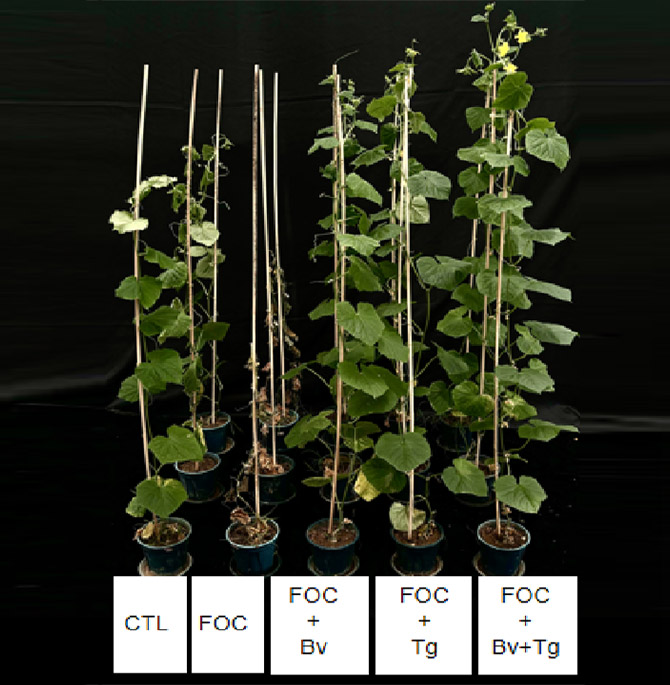
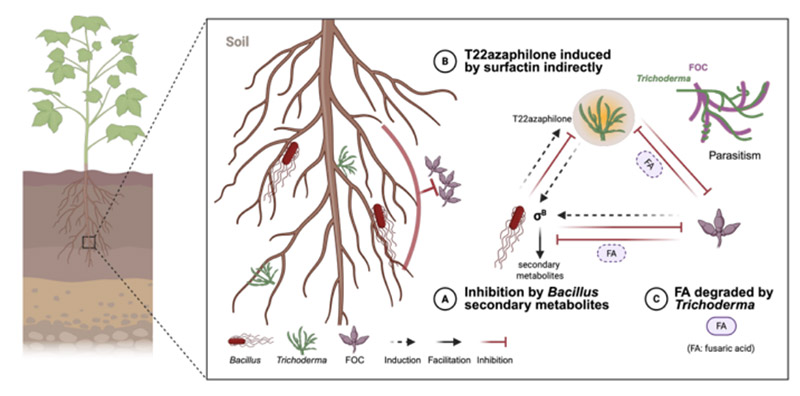
Trichoderma acted as a “pretender” to degrade pathogenic toxins and helped maintain the abundance of Bacillus velezensis
Room 1101, No.24 Jinyun Street, Yunting Town, Jiangyin City, Jiangsu Province, P.R.China.
yan@yunchotrade.com
peter@yunchotrade.com
nick@yunchotrade.com
Over 20 years of experience we’ll ensure you get the best guidance. Don't wear perfume in the garden unless you want...